




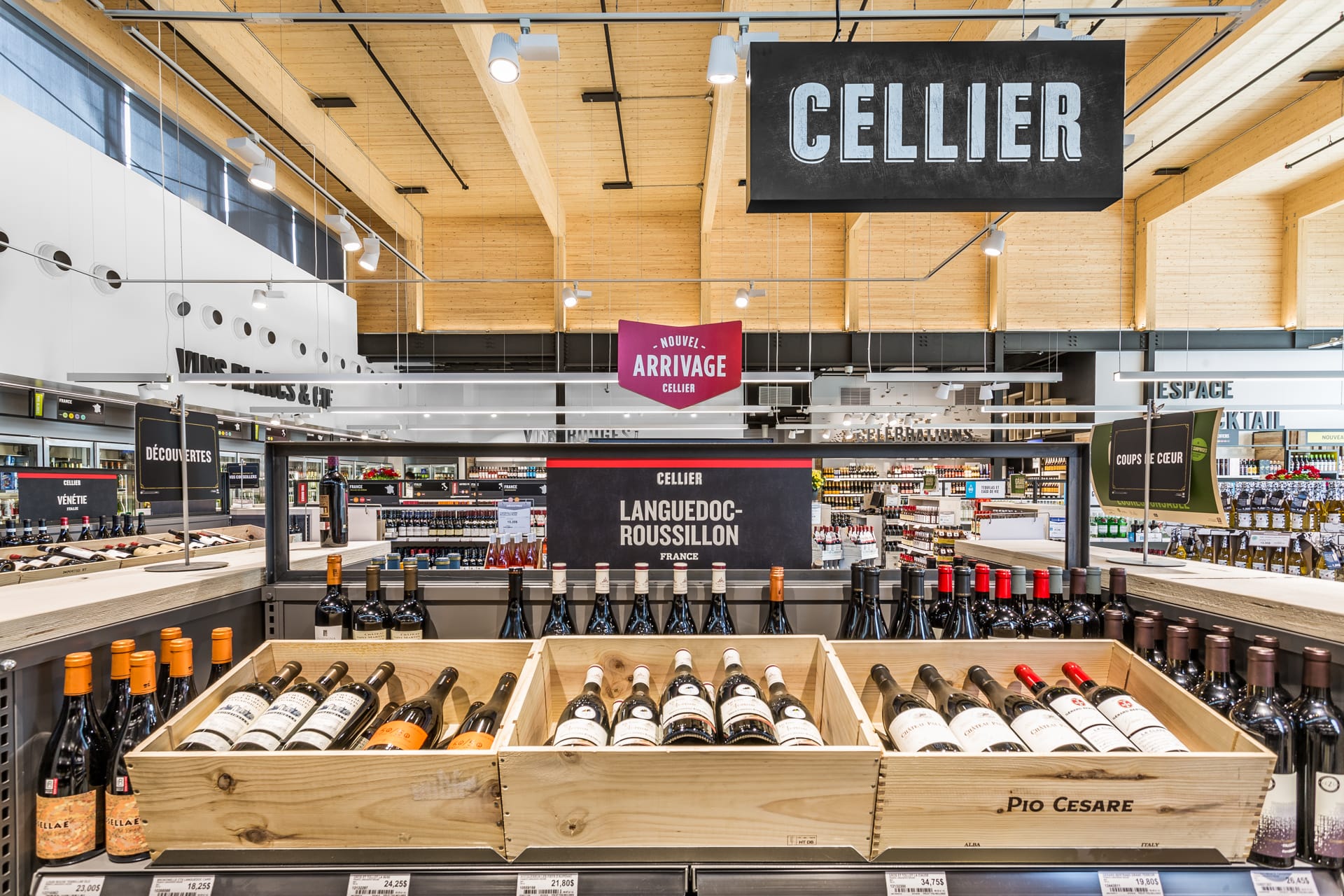
The CAQ government announced earlier this month that by May, Quebecers might be able to buy alcohol directly from producers in other provinces and have it shipped to their doors. It's a compelling pitch of more choice, supporting Canadian producers, and tearing down the trade walls that have kept provincial liquor markets siloed for decades.
The mechanics of how this would actually work, however, remain vague.
Quebec Economy Minister Samuel Poulin framed the move as part of a broader push to ease interprovincial trade barriers that became a talking point after U.S. tariff threats last year.
Here's where Quebec's timeline gets complicated: In November, all Canadian provinces and territories signed an agreement to eliminate interprovincial trade barriers across consumer and industrial goods ranging from apparel and electronics to medical devices and machinery. The deal took effect in December.
Alcohol and food, however, were explicitly excluded. Some provinces have since signed memorandums of understanding on direct-to-consumer alcohol sales, but these are non-binding commitments, not operational frameworks. And Quebec hasn't signed any interprovincial agreements on alcohol
According to an August 2025 analysis by TD Economics, Quebec has been slower than other provinces to formalize trade agreements. Ontario has gone the furthest, dropping all its exceptions to the Canadian Free Trade Agreement and establishing a framework for direct-to-consumer alcohol sales. Nova Scotia, Manitoba, and P.E.I. have passed similar legislation.
Quebec has described its own legislation as a pilot project.
Jacky Blisson, a Master of Wine based in Montreal, thinks the change is overdue. "I think for too long we haven't been doing everything we can to help and to support and to champion our industry," she told City News. But even Blisson acknowledges the impact will likely be modest. "I don't think it's going to massively overhaul anything," she said.
The TD report notes that even in provinces where free trade agreements exist, interprovincial trade hasn't boomed. In Alberta, B.C., and Saskatchewan—three provinces with mutual recognition agreements dating back to 2010—interprovincial exports have lagged behind both GDP growth and international exports.
Why? Marc Lee, a senior economist with the Canadian Centre for Policy Alternatives, argues that distance and transportation costs matter more than regulatory barriers. "The real barriers for businesses trading across Canada are distance and transportation costs," he told the CBC, calling the national trade agreement "political theatre".
For consumers, the appeal is clear: Why shouldn't a Montrealer order Okanagan wine or Halifax craft beer? We buy products from other countries; provincial borders feel arbitrary. Infrastructure like shipping logistics, tax collection, age verification, and the SAQ's role to make interprovincial trade happen remains undefined.
If Quebec does open the door to interprovincial alcohol sales this year—and that's still an if—questions remain on whether it would revolutionize how Quebecers drink. The SAQ isn't going anywhere, and your neighbourhood dépanneur may not suddenly stock Prince Edward Island cider either.
But it might mean a few more options and the slow erosion of trade barriers that have never made much sense. Whether that happens in this year or in the years to come is another question entirely.


Commentaires
Welcome to The Main's comments section!
Share your thoughts and join the conversation. Please be respectful and constructive.
Aucun commentaire pour le moment. Soyez le premier !