



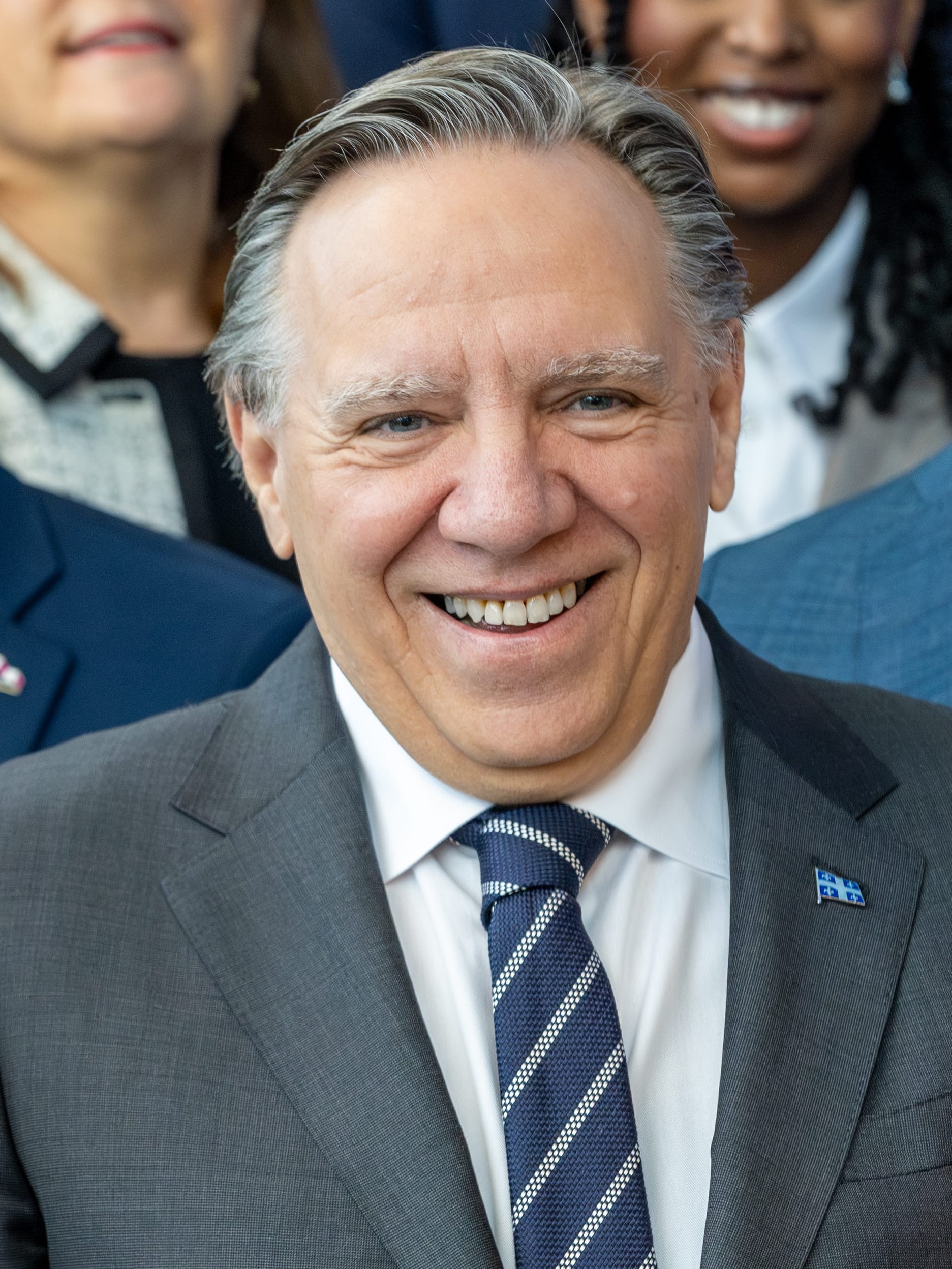
François Legault is expected to announce his resignation as leader of the Coalition Avenir Québec, ending months of speculation about whether the embattled premier would lead his party into October's provincial election.
The announcement comes this morning at an impromptu press conference at the premier's Quebec City offices. According to La Presse, many CAQ members anticipated the departure without having been informed beforehand—the unexpected media summons went out at 9:45 a.m. for an 11 a.m. announcement. The timing coincided with a virtual cabinet meeting, the first since the holiday break.
Despite declaring himself ready to run again as recently as last fall—convinced he was still "the right man for the job"—Legault was unable to win back the hearts of Quebecers. In September, he played his last cards with a sharp turn to the right, attacking doctors and unions while promising to clean up the bureaucracy. Public opinion did not follow.
A Pallas Data poll showed 75 percent of Quebecers holding an unfavourable impression of the premier, with only 12 percent viewing him favourably. The CAQ now sits tied with Québec solidaire in last place at 11 percent, behind the PQ (34 percent), the Liberals (24 percent), and the Conservatives (16 percent)—a stunning collapse for a party that swept 90 of 125 seats just three years ago.
The past year has been marked by crisis after crisis. The Northvolt project, once grandly announced as a cornerstone of Legault's vision to make Quebec the "green battery" of North America, collapsed when the Swedish company went bankrupt. Since September alone, seven MNAs have left the party, including ministers Christian Dubé and Lionel Carmant.
Legault founded the CAQ in November 2011, three years after leaving the Parti Québécois, promising a third way: a coalition of sovereigntists and federalists free from the independence debate. It took seven years before the party came to power.
His first term will be remembered primarily for the COVID-19 pandemic—his handling of the crisis initially earned him strong support through daily press briefings and calls for solidarity, though it also exposed deep shortcomings in the healthcare system, particularly in long-term care facilities. His nationalist agenda, including Bill 21 on secularism and Bill 96 strengthening the status of French, maintained broad popular support through his second mandate.
Now, weakened by the wear and tear of power after eight years as premier, Legault will hand over the reins to a new leader seven months before Quebecers head to the polls.

![The Bulletin: Cold raves, beer memberships, and film festivals galore [Issue #164]](/_next/image?url=https%3A%2F%2Fstorage.ghost.io%2Fc%2F00%2Fe5%2F00e5bf23-2b72-4a48-92bb-496245b79d2a%2Fcontent%2Fimages%2F2026%2F01%2Fericbranover_1765408527_3784843508759209075_31339819-1.jpg&w=256&q=75)
Comments
Welcome to The Main's comments section!
Share your thoughts and join the conversation. Please be respectful and constructive.
No comments yet. Be the first!