



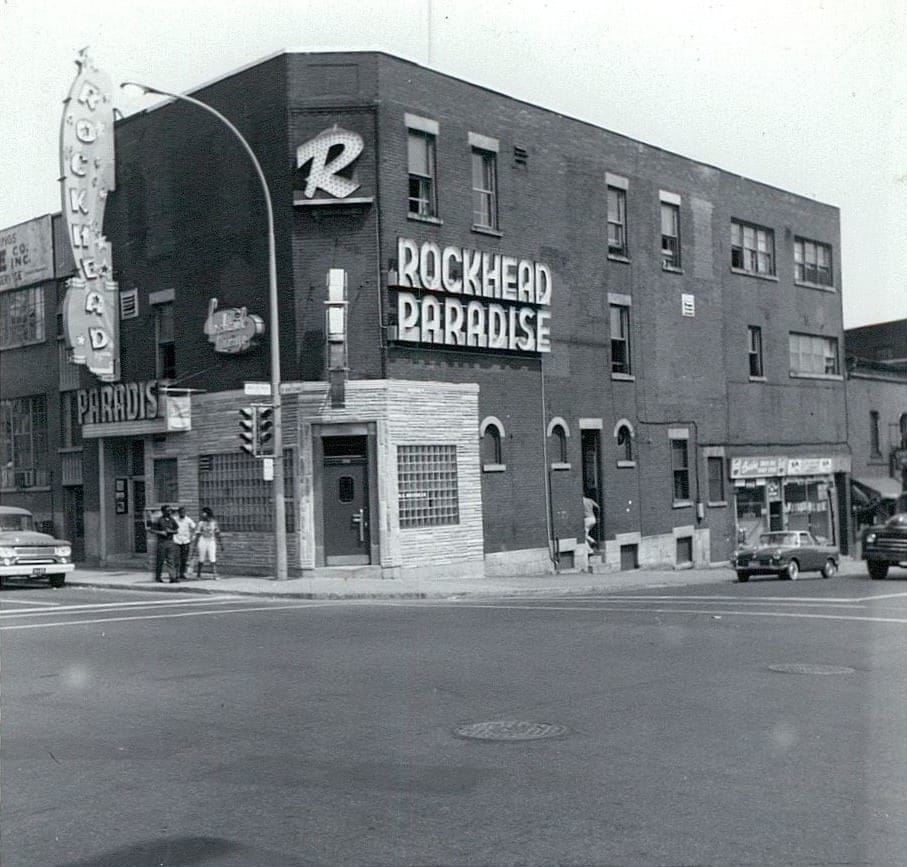
Before Oscar Peterson was old enough to drink, he was sneaking into a three-storey building at the corner of De la Montagne and Saint-Antoine, slipping past the door to hear the house band swing. Before Ella Fitzgerald's solo career took off, she played her first Montreal show on that same stage—1943, the year she went out on her own. Before drummer Norman Marshall Villeneuve joined Duke Ellington's outfit—or nearly did, before a work permit killed the dream—he learned his craft behind the drums at the club's nightly shows, backing seasoned players who'd cut their teeth at the Cotton Club in Harlem.
That was Rockhead's Paradise. For half a century, it was the heartbeat of Black Montreal: a jazz club, cabaret, tavern, and safe harbour rolled into one, operating out of Little Burgundy when the neighbourhood was home to most of the city's Black community and the porters who worked the railways running through Windsor Station.
Poursuivez « How a Railway Porter Built Montreal's Most Storied Jazz Club »
Aucun mot de passe. Aucun paiement. Ouverture immédiate.
Déjà membre? Se connecter


Commentaires
Welcome to The Main's comments section!
Share your thoughts and join the conversation. Please be respectful and constructive.
Aucun commentaire pour le moment. Soyez le premier !