



Winter is woven deep into Montreal’s fabric, and for locals, defying the season’s limits is simply a part of life. Montrealers have gone from enduring the cold to celebrating and adapting to it through resilience, revelry, and reinvention.
Now, our coldest moments of the year have become some of the most festive, with opulent ice palaces of 19th-century Winter Carnivals to the adrenaline of present-day races through the Saint-Lawrence River’s ice floes. What was once a matter of survival is now all about sports, parties, and outdoor gatherings that have evolved into cultural mainstays—proving that Montreal’s joie de vivre doesn’t fade when the mercury drops.
Frozen palisades and learning to love what’s cold
Montrealers’ industrious spirit and adaptable nature towards winter was widespread by the late 1800s. During this time, for example, the city staged some of the most extravagant winter celebrations in the world: The Winter Carnival, first launched in 1883, was intended to appear as an embrace of its northern reality.
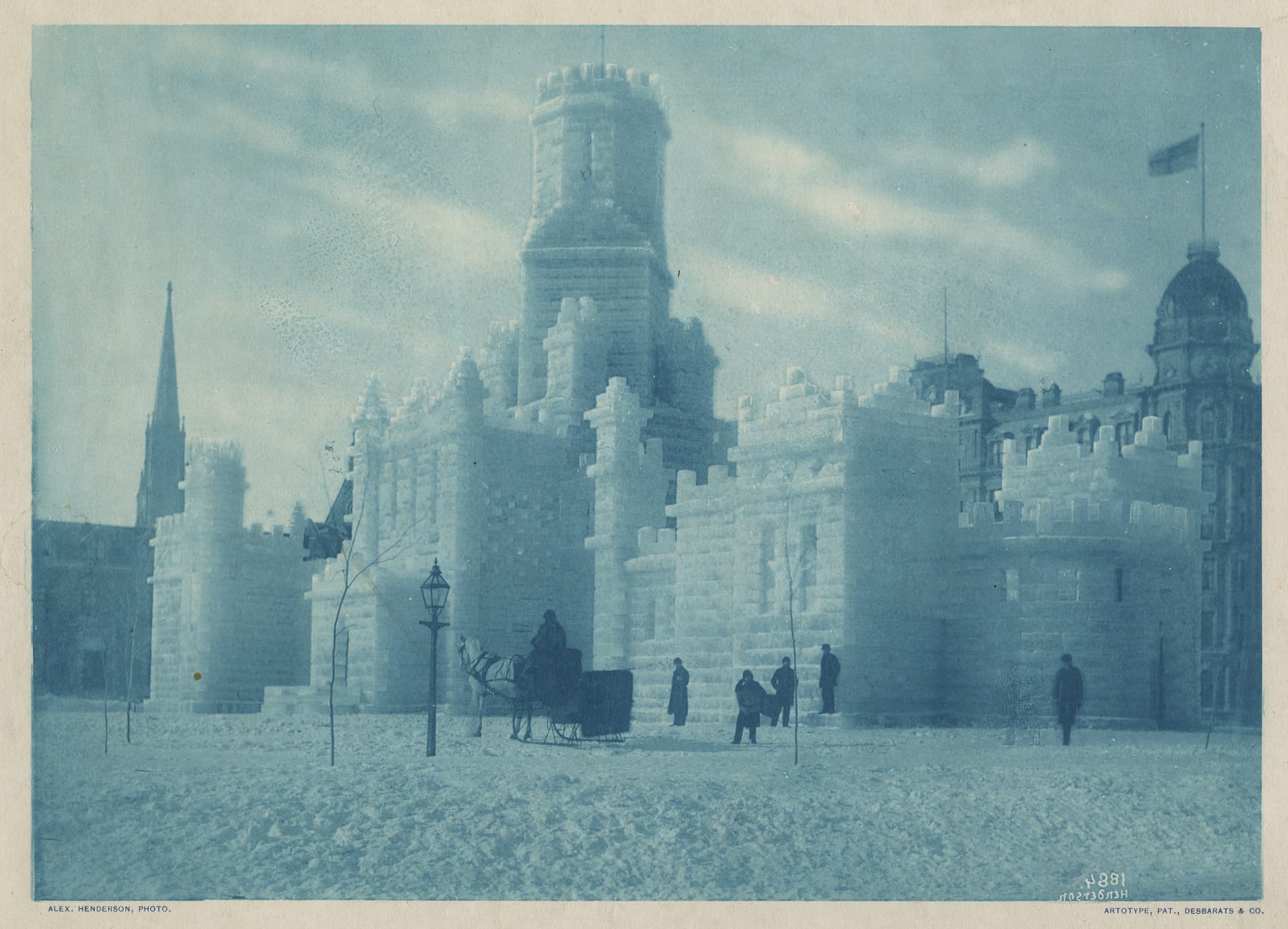
At its heart stood the Ice Palace—a shimmering, ephemeral fortress constructed from blocks of ice pulled out of the Saint-Lawrence River. The largest of these, built in 1885, loomed over Dominion Square, its frozen battlements inspiring both awe and, later, an all-out mock battle.
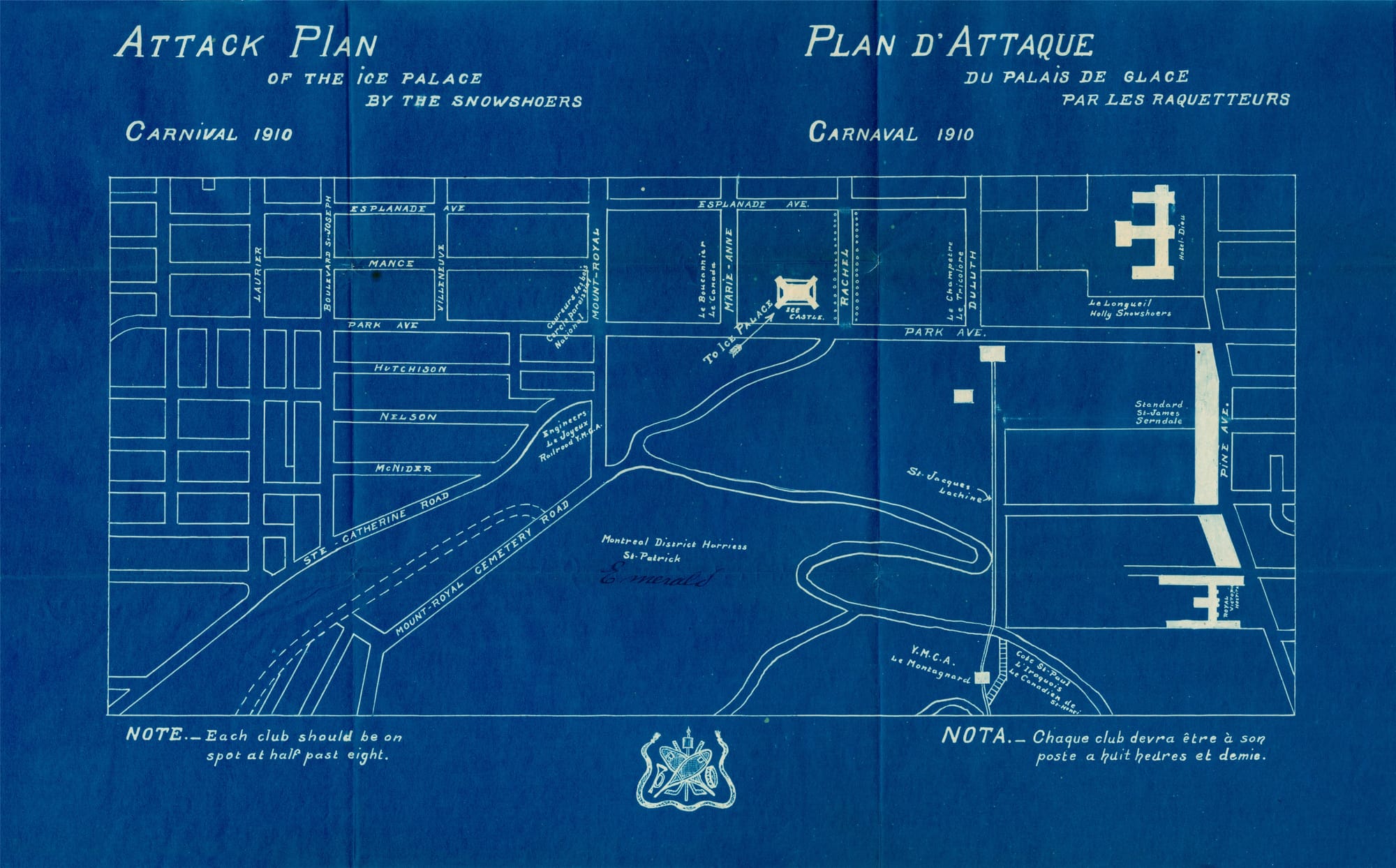
These architectural feats, illuminated by gas lamps and fireworks, became the frozen castle backdrops for torchlit parades, sleigh rides, and sporting contests that drew thousands.
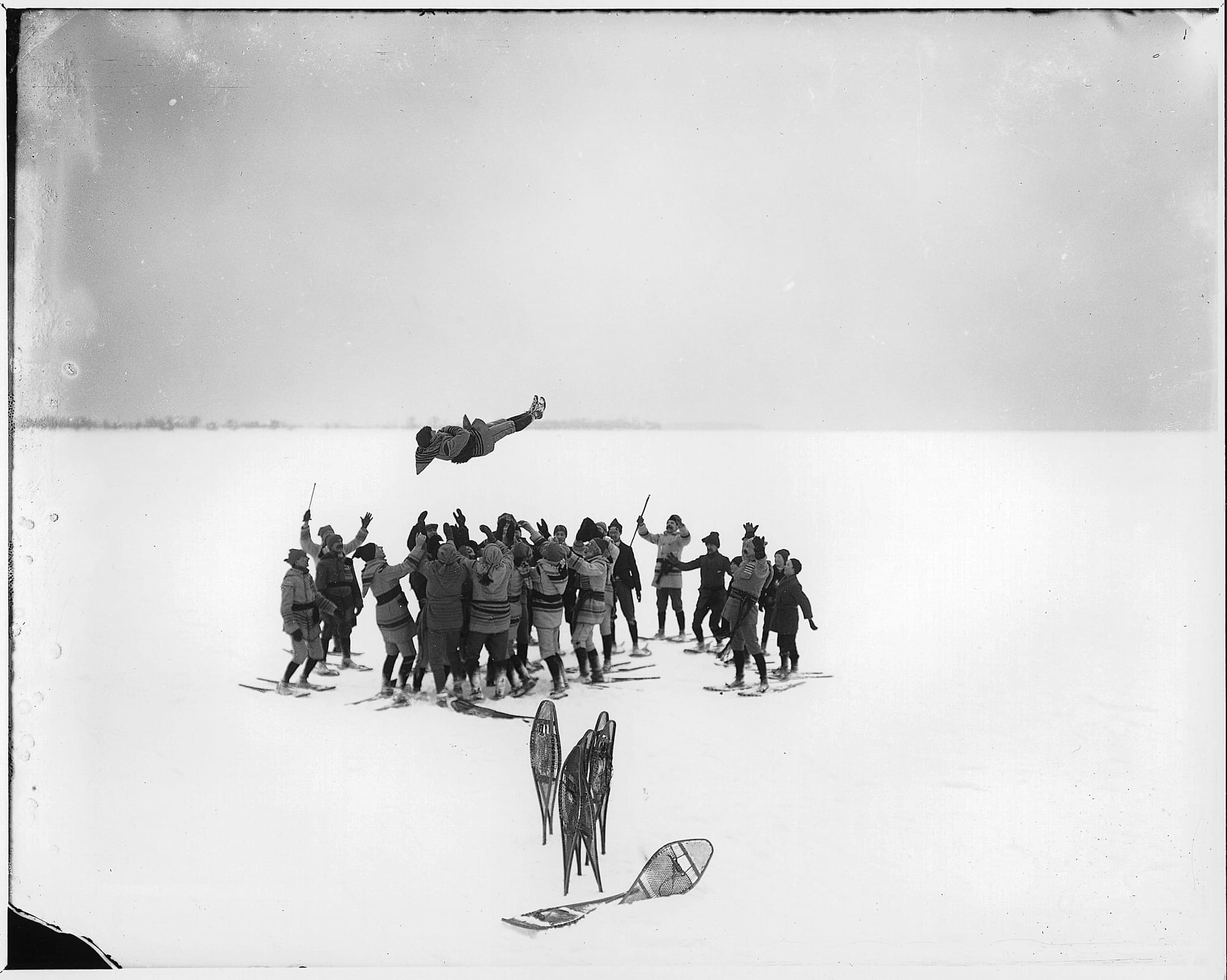
The carnivals were instrumental in solidifying winter sports as part of the city’s fabric as well. Snowshoeing clubs would trek into the night over Mont-Royal in theatrical processions with torches in hand, ascending the mountain in long, glowing lines in a rugged, choreographed performance of endurance.
Getting outside and enjoying winter seems all too natural when picturing these kinds of events—if anything, we’re even more ambitious and embracing in our attitude towards winter. It’s a legacy we can still see today.
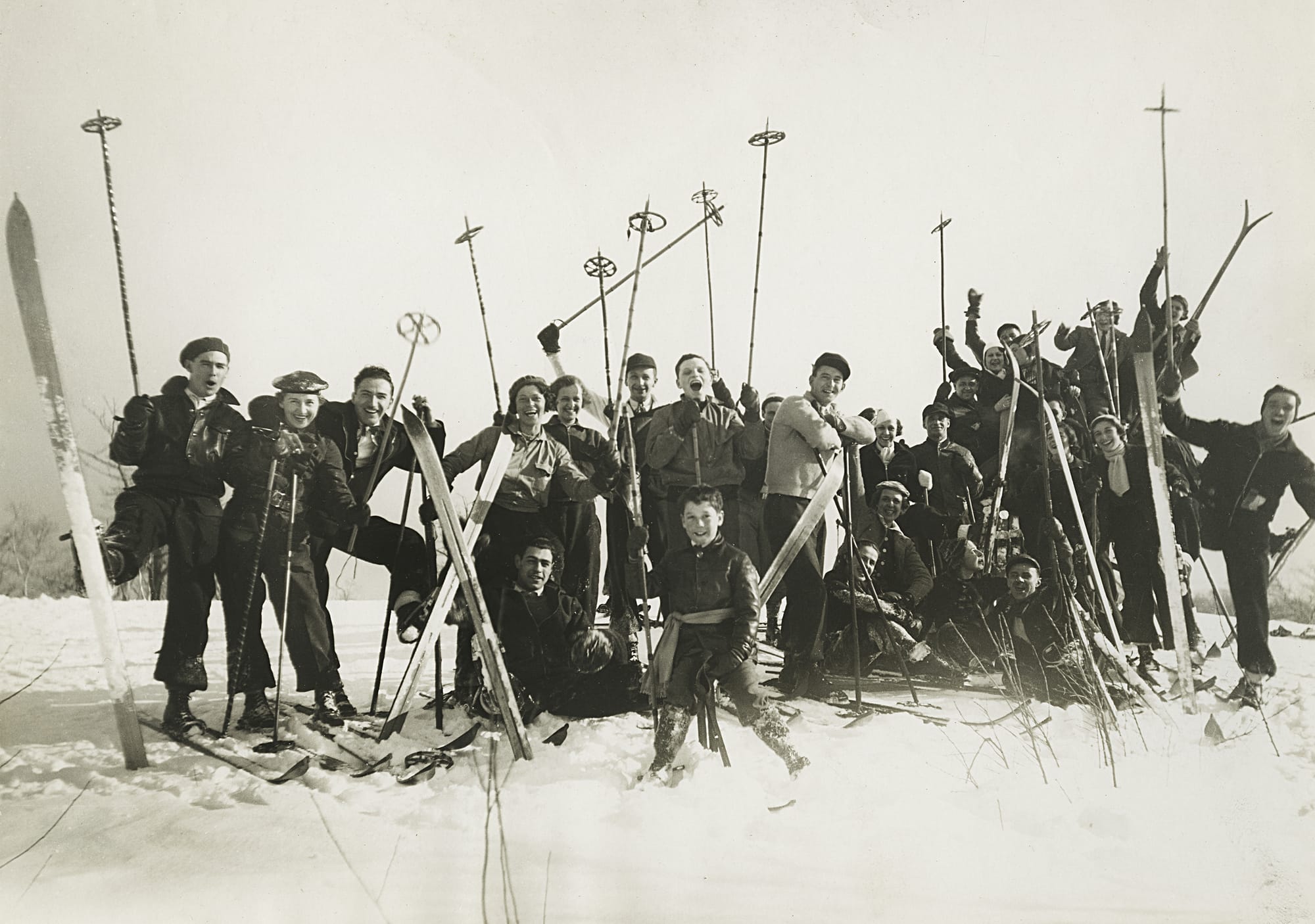
Necessity breeds invention—and a sporting DNA
The roots of many winter sports stretch back to Montreal in the early 1800s. British officers stationed in Montreal in the early 1800s popularized curling, transforming it from a Scottish pastime into a social fixture in the growing city.
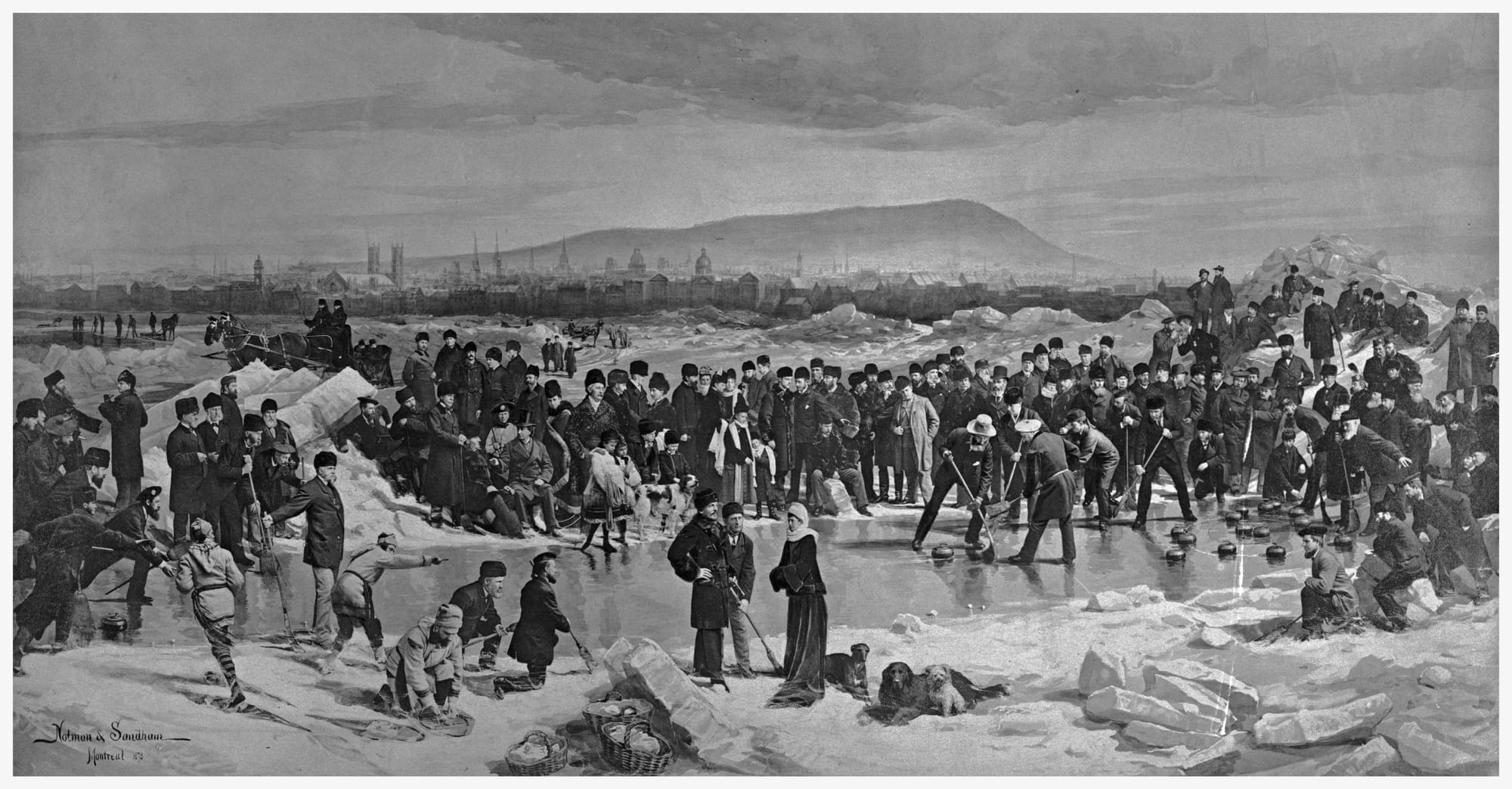
But skating was also widespread, and with it came the emergence of hockey—though its precise origins remain debated.
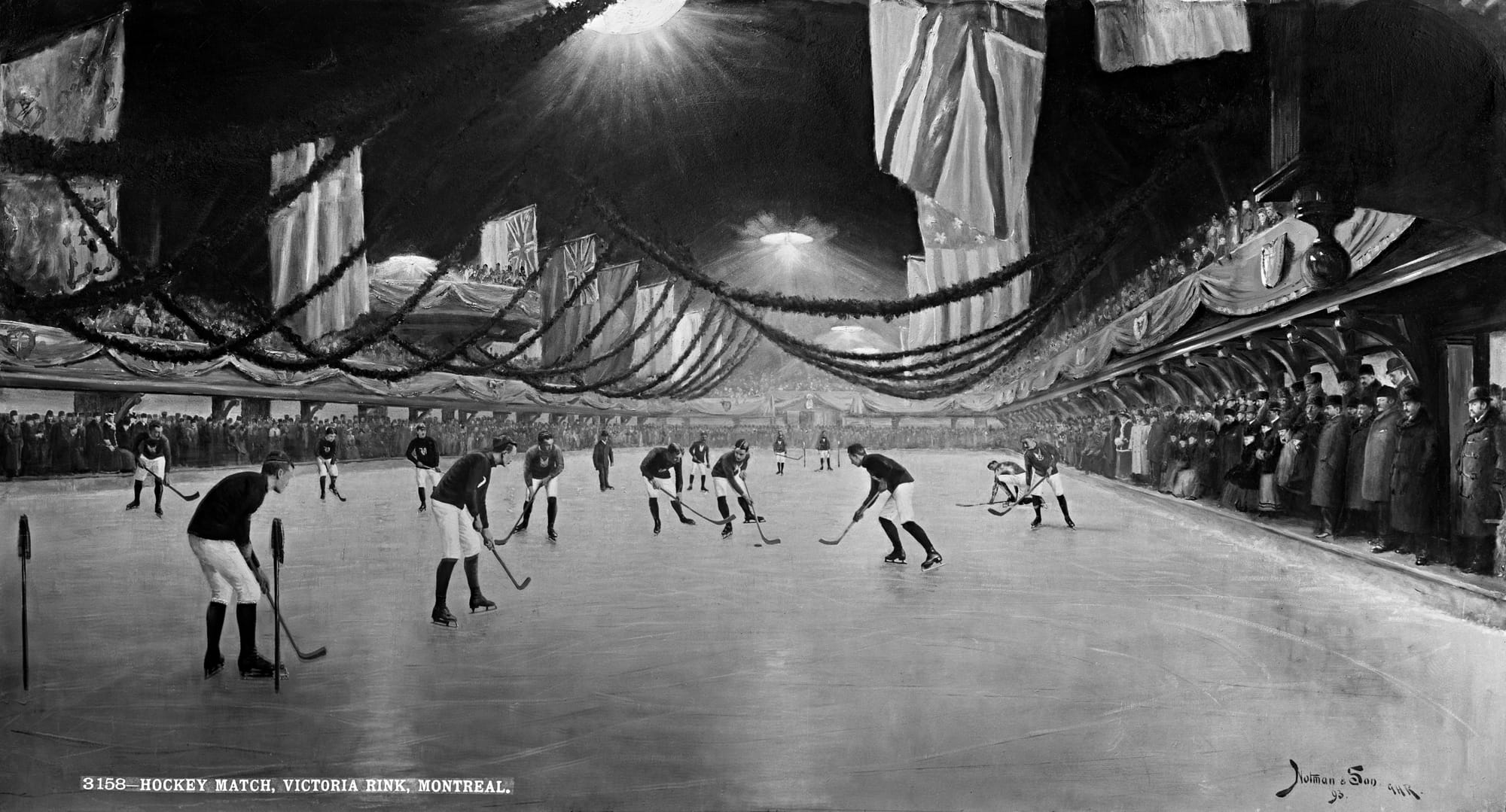
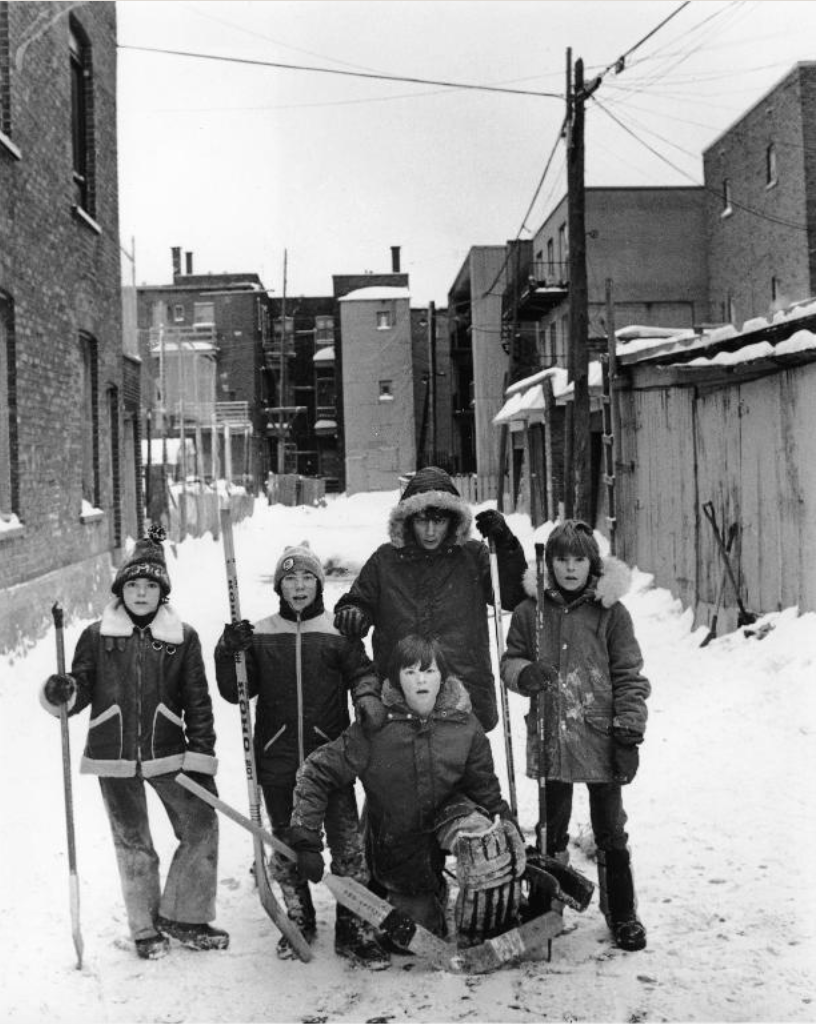
The first recorded indoor game, played at Montreal’s Victoria Skating Rink in 1875, helped lay foundations for a sport that would define the city and, eventually, the country. Rare early photographs of shinny games on frozen ponds still exist, where players in thick wool sweaters and leather boots carved the ice long before the NHL debuted. Today, outdoor rinks across the city carry on that lineage, keeping open-air hockey and skating a pastime and a place for locals to connect.
But if hockey is Montreal’s heartbeat, ice canoeing is its most extreme winter ritual. The practice dates back to New France in the 1600s, when navigating the Saint-Lawrence’s fast currents, high tides, and shifting ice was a survival skill rather than a sport. Over time, as ferries and bridges made those crossings obsolete, the tradition evolved into a test of endurance and strategy. Since 1988, teams clad in neon survival suits have launched themselves into the freezing current for competition, paddling through half-frozen waves before leaping onto the ice and running their canoes over ridges of frozen water. It’s brutal and surreal.
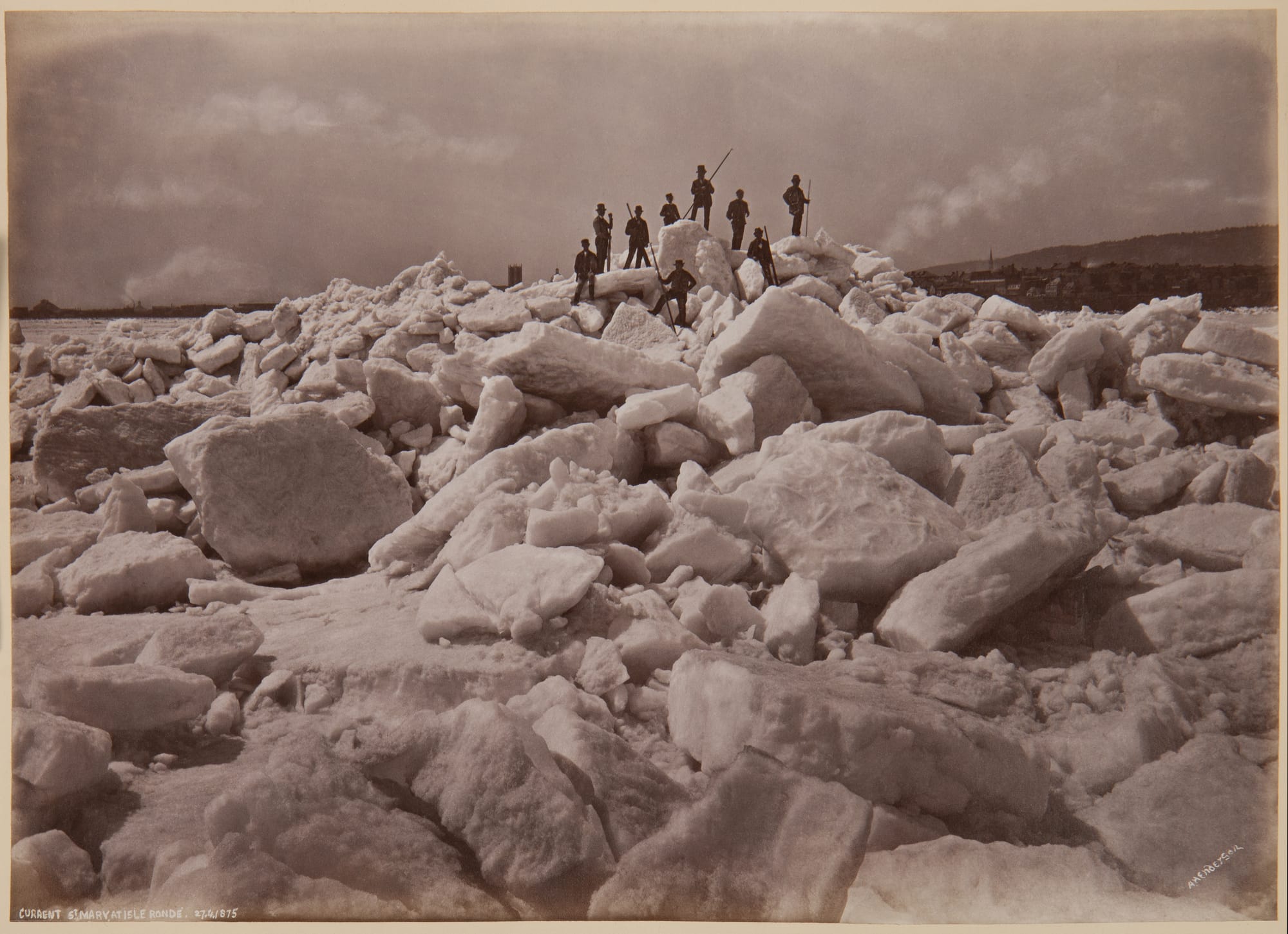
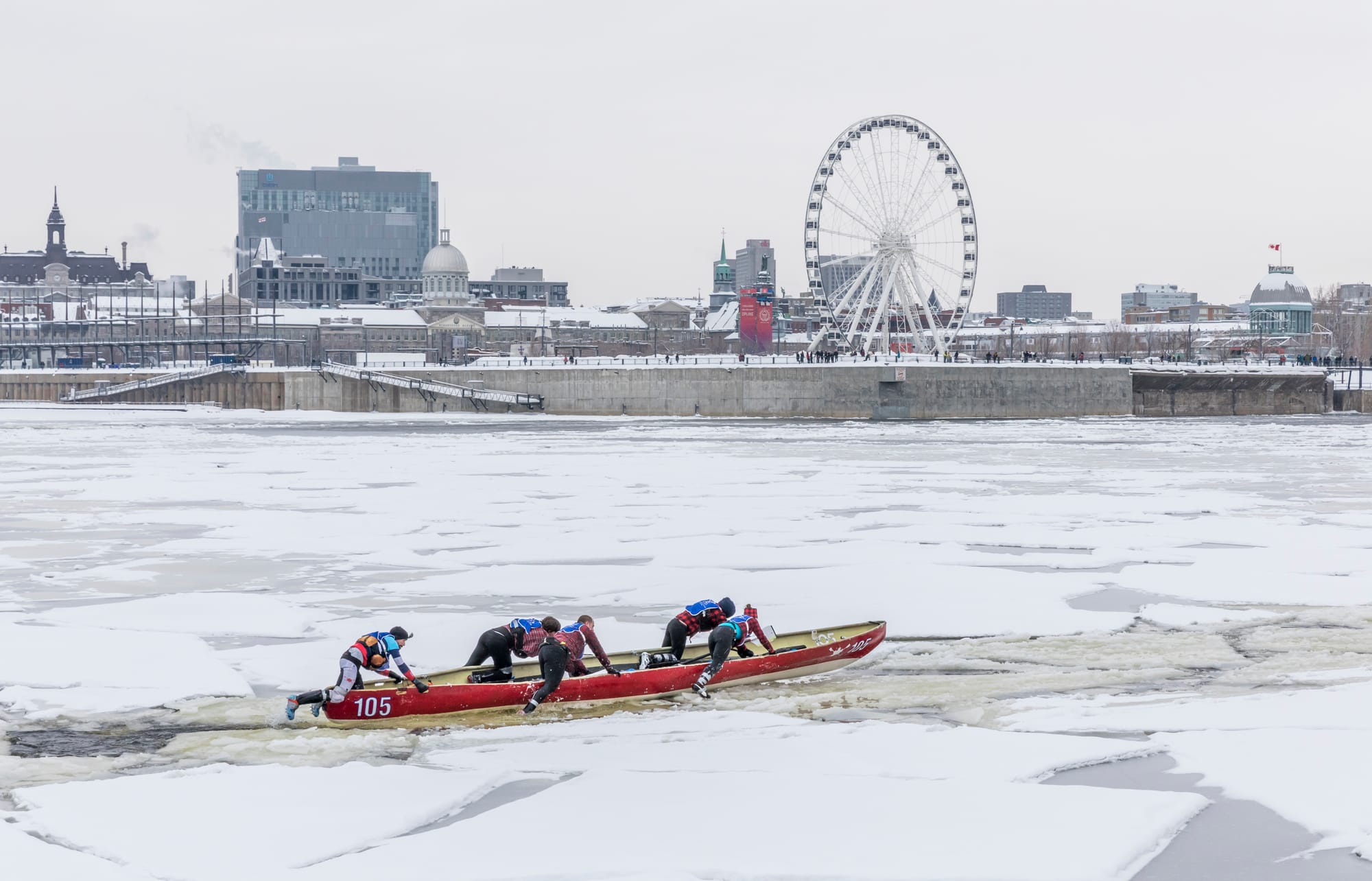
Sainte-Marie Current at Round Island (now Sainte-Hélène Island), Montreal, QC, 1875; photographerAlexander Henderson (1831-1913). | Courtesy McCord Stewart Museum (left) & Eva Blue (right)
Changing times on a timeless mountain
Throughout history, Mont-Royal has provided Montreal with a winter sanctuary. Over 150 years ago, it was both an escape from industrial activity and a stage for spectacles. The city’s snowshoers, tobogganers, and skaters turned the mountain into an arena for outdoor adventure. Even the very design of the park, planned by Frederick Law Olmsted, was meant to preserve its “primeval wilderness,” offering Montrealers a taste of northern resilience within city limits.
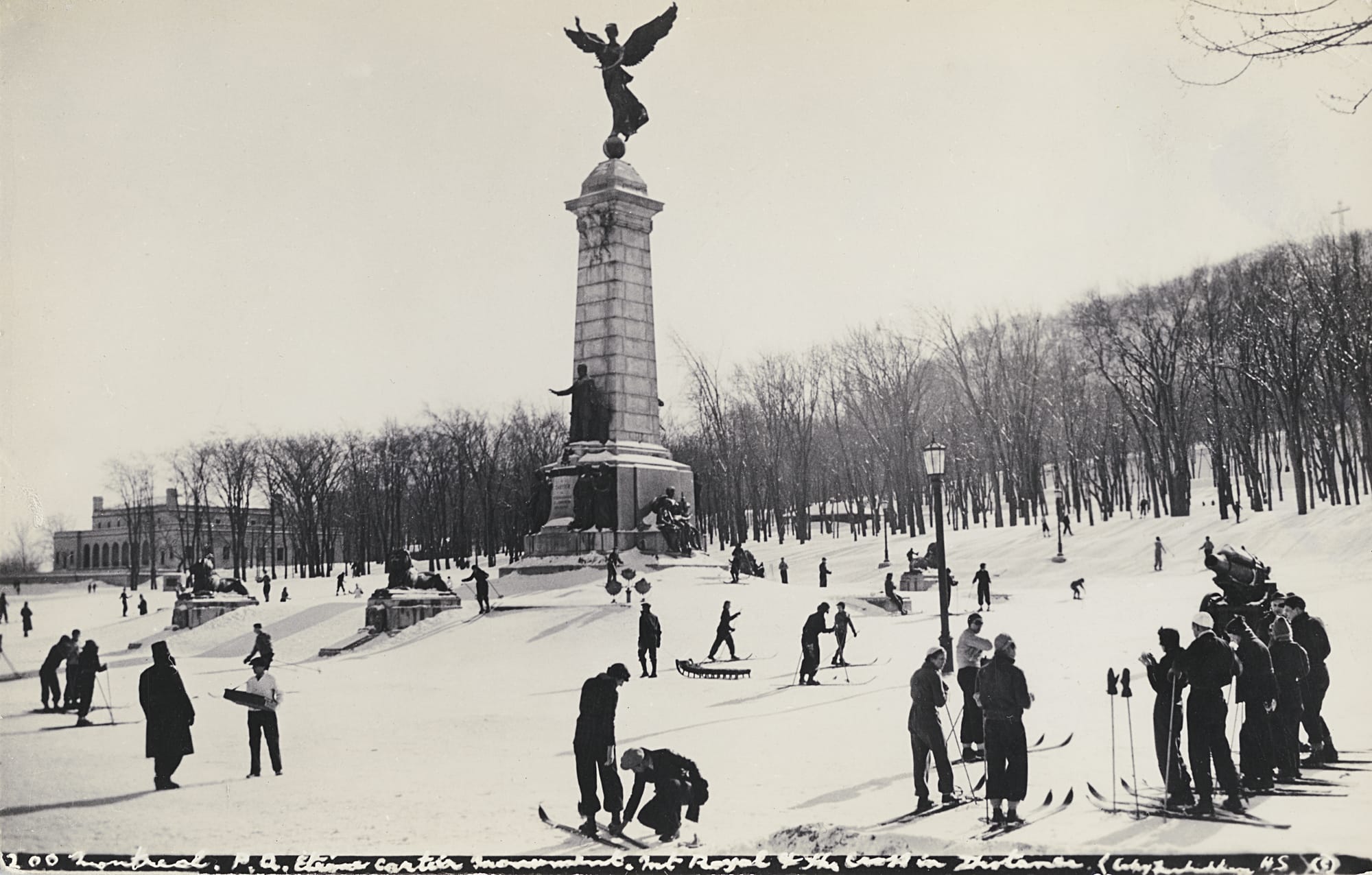
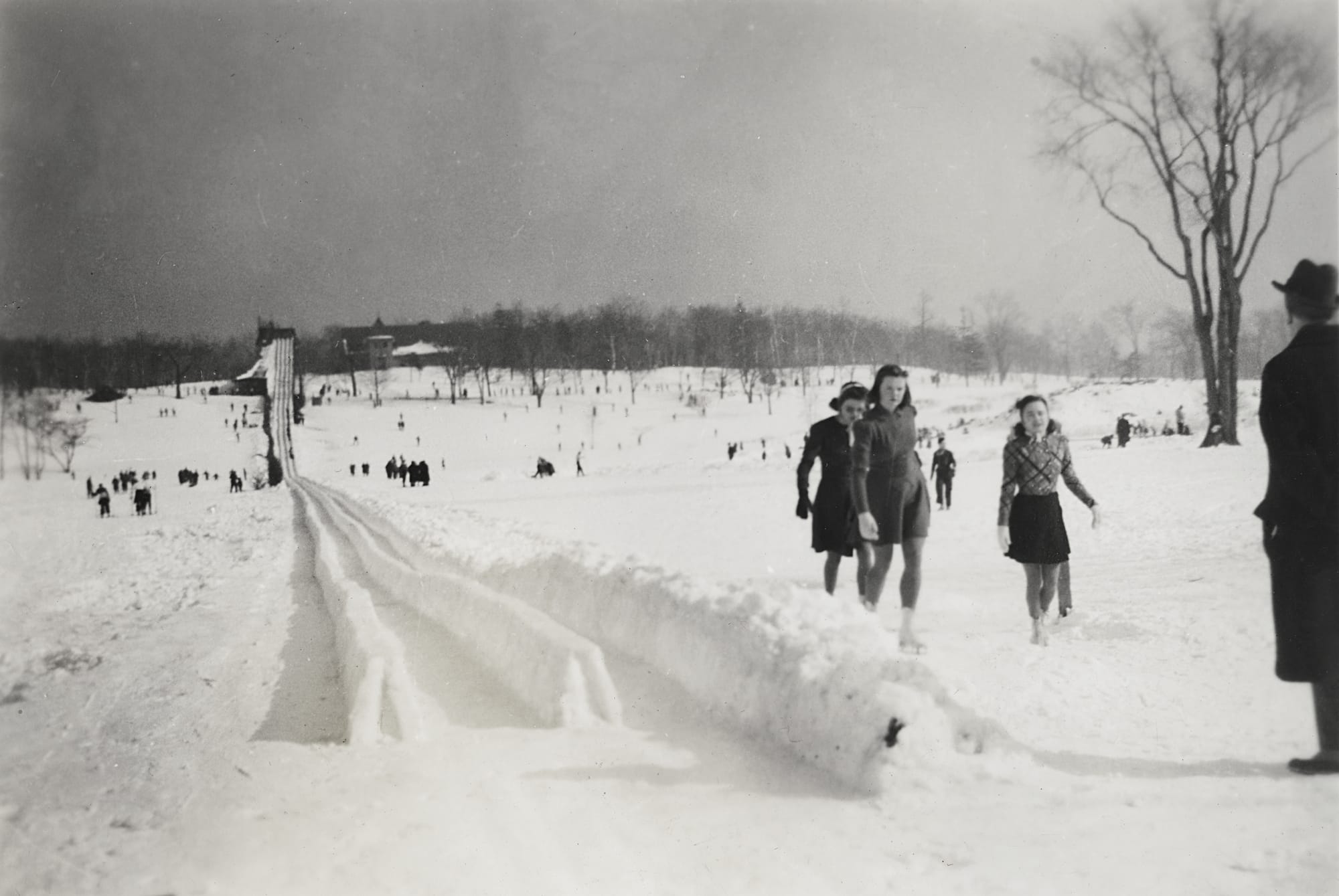
Today, the spirit of Mont-Royal remains unchanged. The frozen lake transforms into a natural rink, sleds carve paths down powder-packed slopes, and cross-country skiers follow the very trails where Victorian snowshoers once staged their torchlit parades. The difference is in the details—synthetic gloves have replaced fur-lined mitts, modern snowshoes snap on with ease, and insulated coffee mugs have replaced the tin flasks of brandy that once fueled these outings. But the impulse is the same: to turn the cold into something communal, kinetic, and fun.
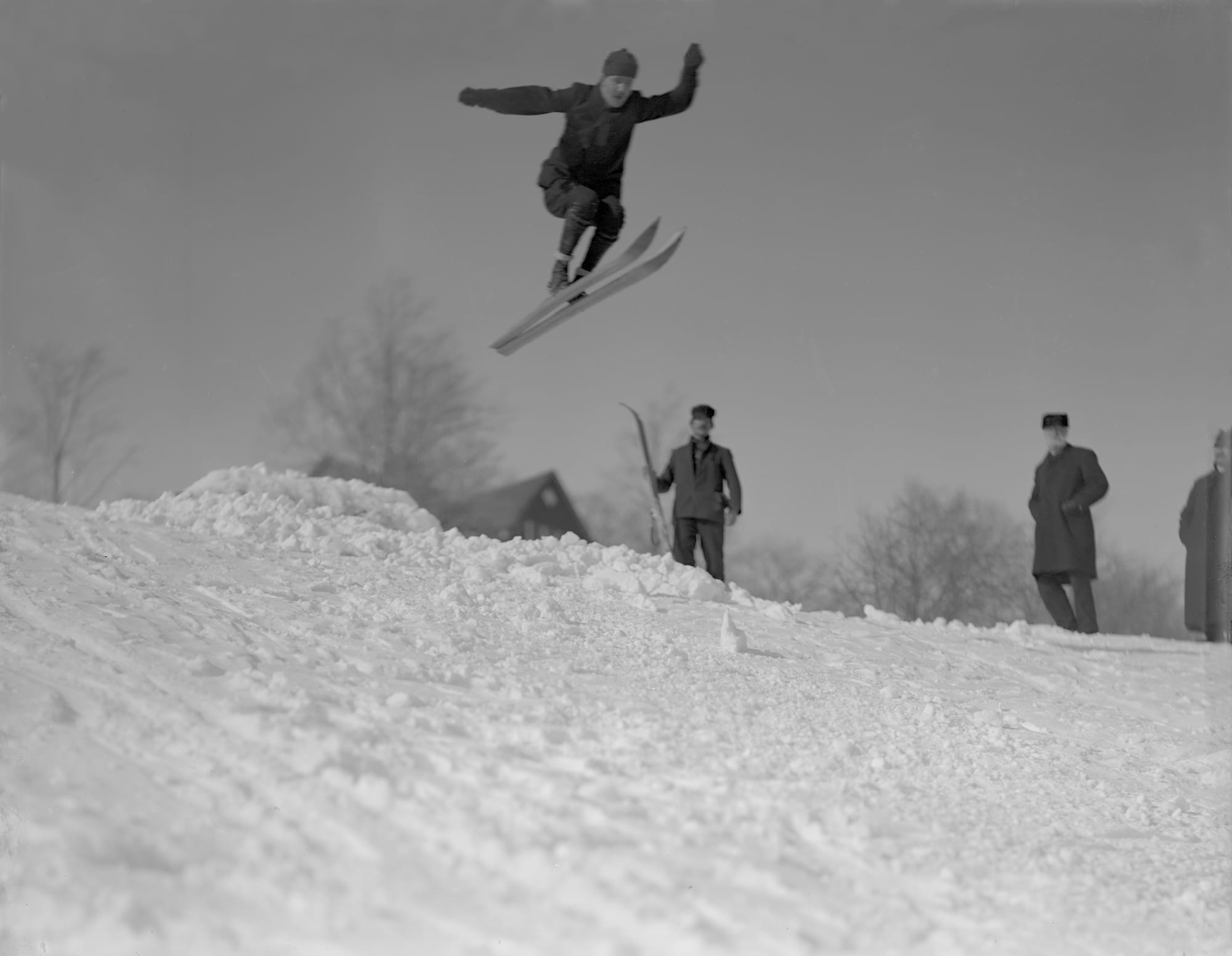
“A real Canadian winter day, my friend! How the nipping wind whistles ... snow blows a blinding storm, like a shower of needles in your face, obliterating any track if there was one. But stiffening your lip you never think of once giving in ... you have to cross country, taking fences and brush on the way, directly due north ... The snow has filled the roads, and in many places tracks are made for sleighs... but the snow-shoers turn up their noses at beaten tracks and keep on due north.” — Montreal dentist and sport journalist Dr. W. George Beers
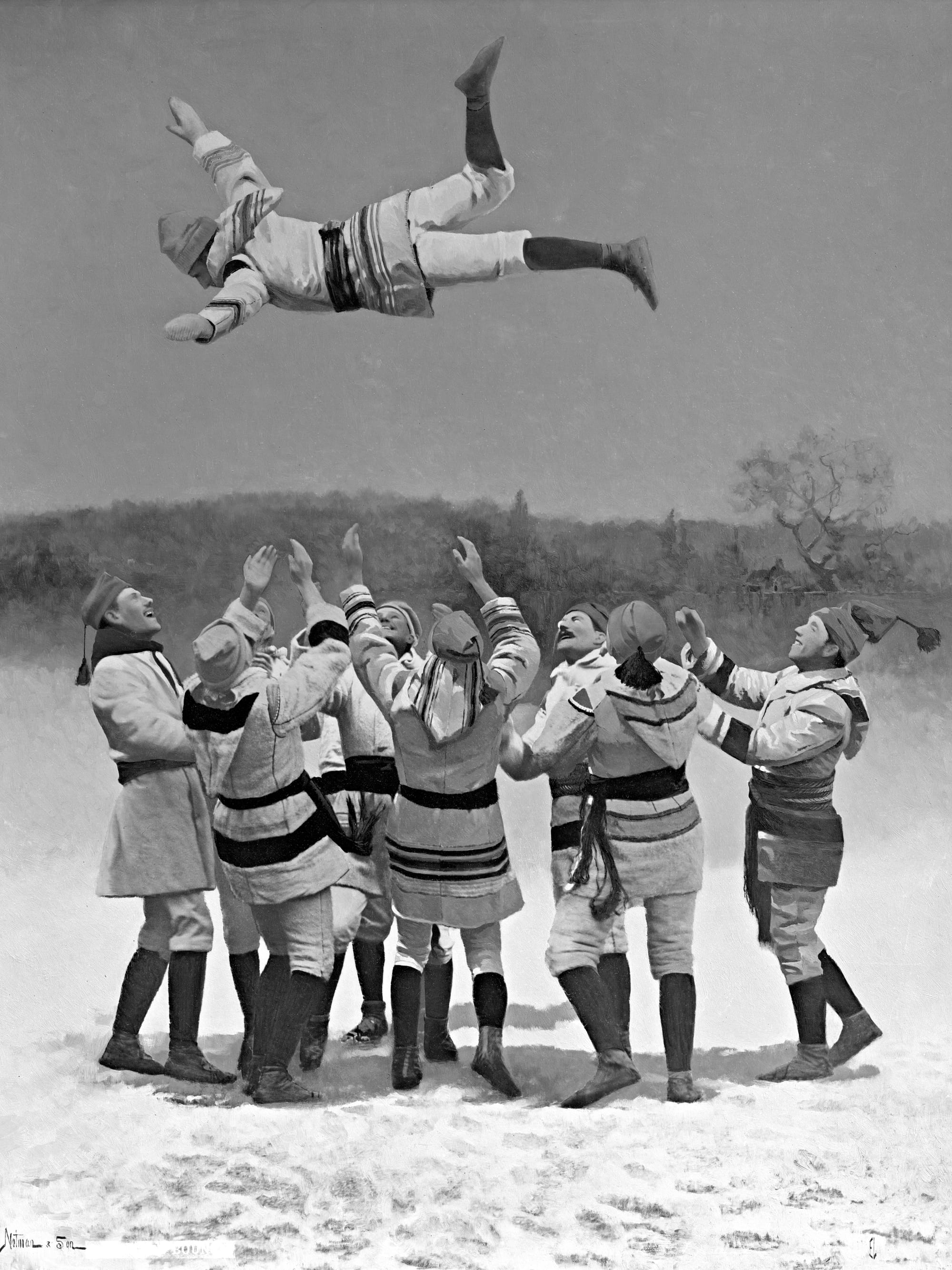
From fur-lined coats to fine dining
Winter has always been a season of camaraderie and revelry in Montreal. Many examples abound, but the raucous Beaver Club stands out: An exclusive dining society of retired fur barons-turned-bon vivants that would meet in Montreal during the late 18th and early 19th centuries. There, they’d forge bonds and celebrate the physical endurance that winter demanded.
And those 19th-century snowshoe clubs that later sprung up? They built their own culture of sociability: After long treks, members would arrive at inns or taverns for meals punctuated by toasts, musical performances, and dance. In clubhouses, the nights often stretched late, filled with piano and violin duets, comedic sketches, and retellings of past adventures.
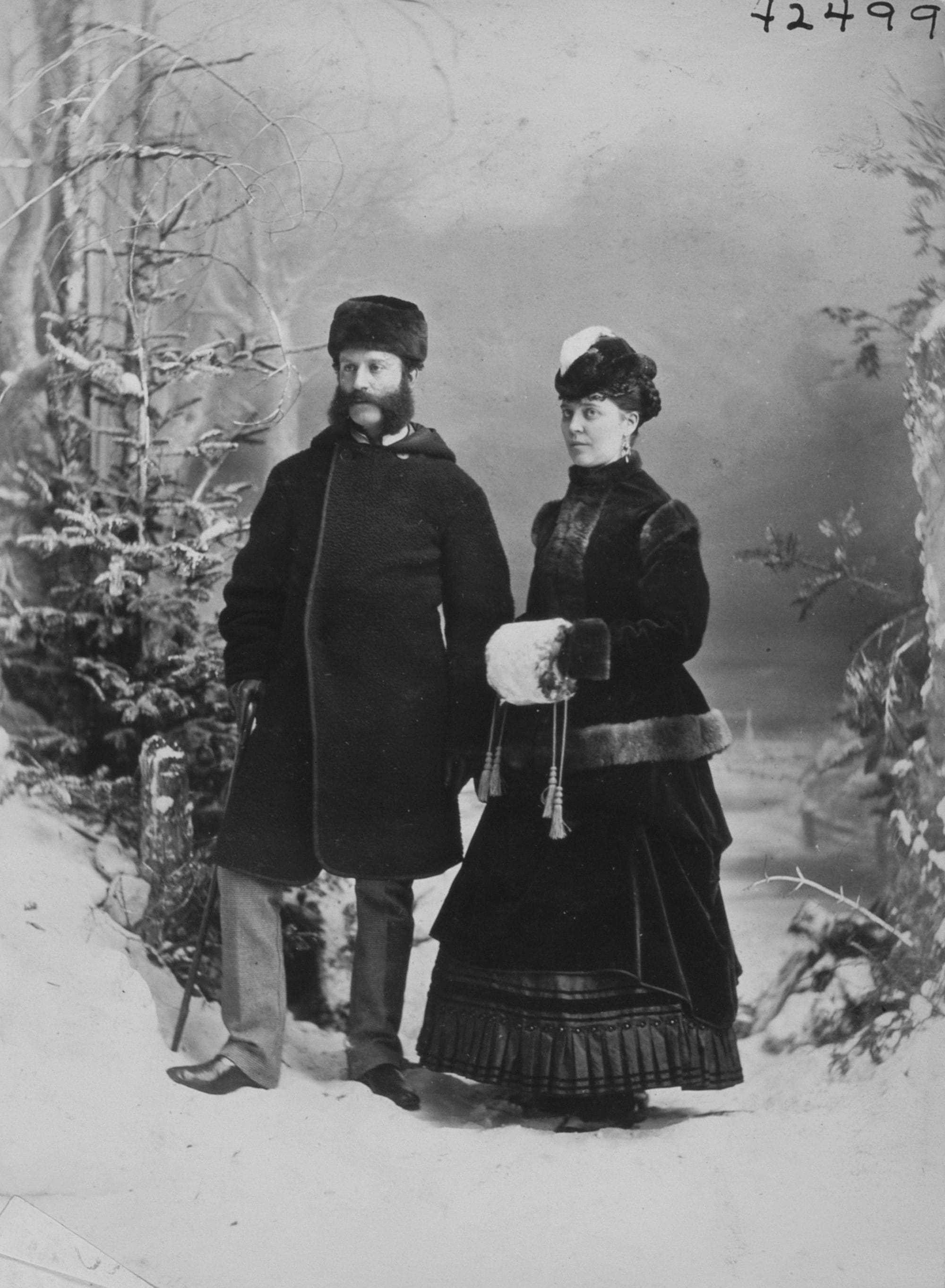
But while the way Montrealers navigate winter has shifted, the city’s deep connection to the season persists. The thick wool capotes and sashes of the past have given way to technical outerwear when sporting and socializing—though sometimes locals will only wear a single layer as they hurriedly walk from the metro to a venue. Fashion over function!
Today, wood stoves and candlelit inns have been replaced by elaborate winter dining experiences, where restaurants have transformed outdoor spaces into cozy, fire-lit, après-ski-inspired gathering spots for mulled wine and local ingredients. But their inspiration, winter, has always been around.
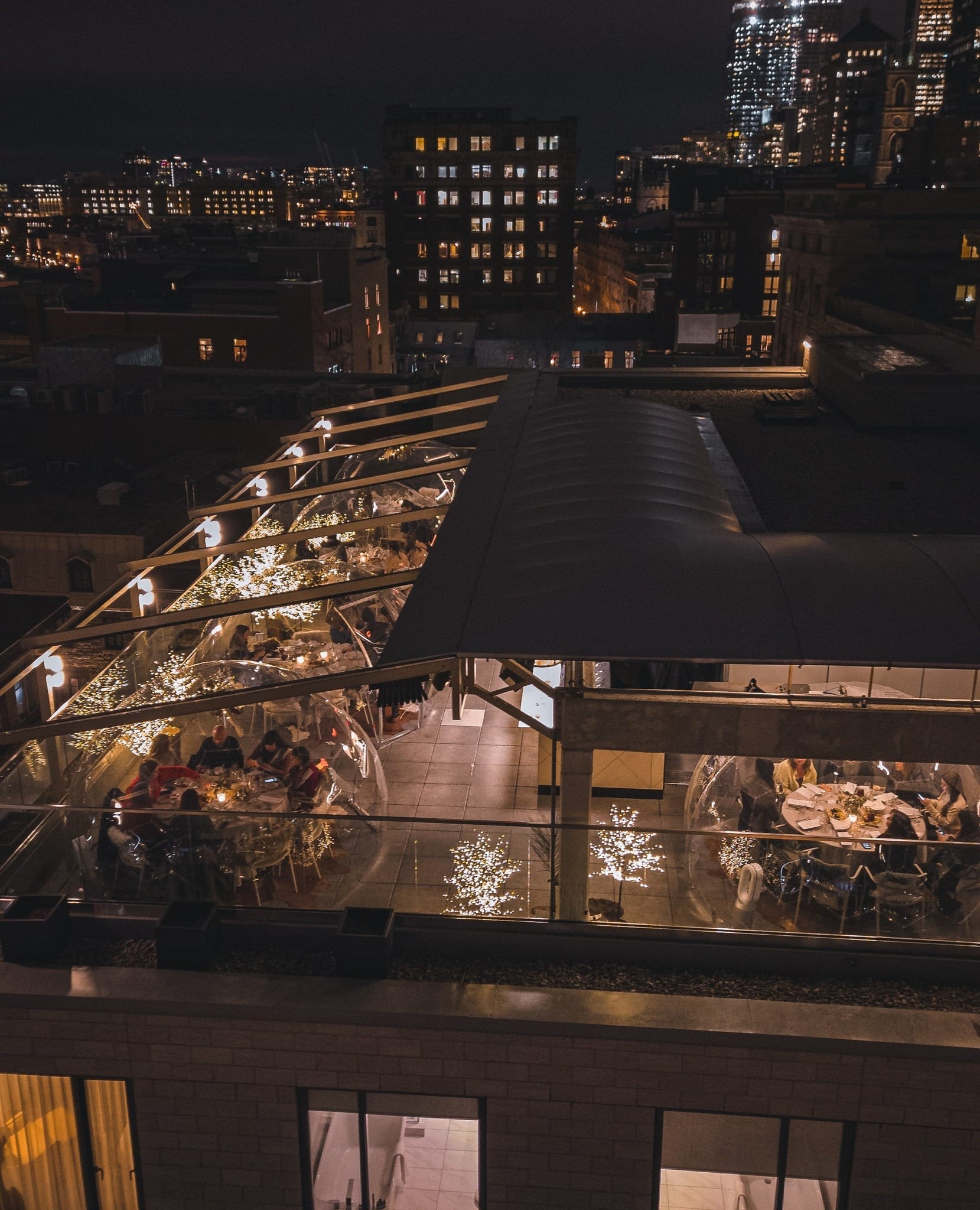
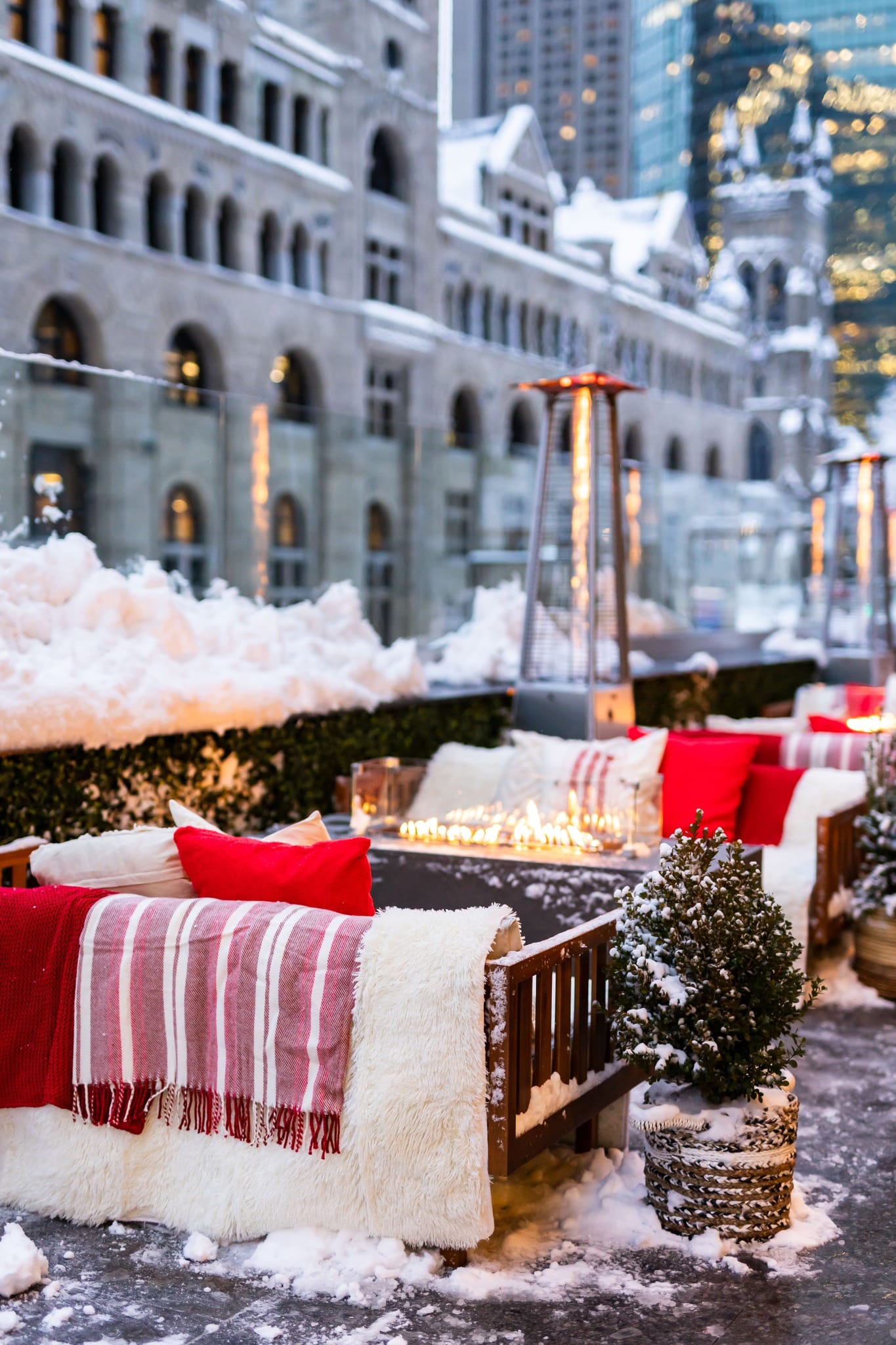
Photograph: Terrasse William Gray (left) & Terrasse Belvu (right)
Embracing who we are
Winter has become so ingrained in Montreal that preserved photographs of tobogganers on Fletcher’s Field or horse-drawn sleighs clattering down Saint-Catherine Street look like they could still happen today.
At the same time, illuminated art installations, electronic music festivals with attendees in full-body snowsuits, and heated terrasse projects extending patio season into the depths of February prove that Montreal doesn’t just tolerate winter—it reinvents it.
Whether through Victorian-era spectacles or contemporary winter festivals, we’re reminded that Montreal has always found a way to make winter its own. Every local that heads outside, laces up for a skate, steps into the snow, or lifts a glass of something warm today is continuing a legacy that stretches back centuries.
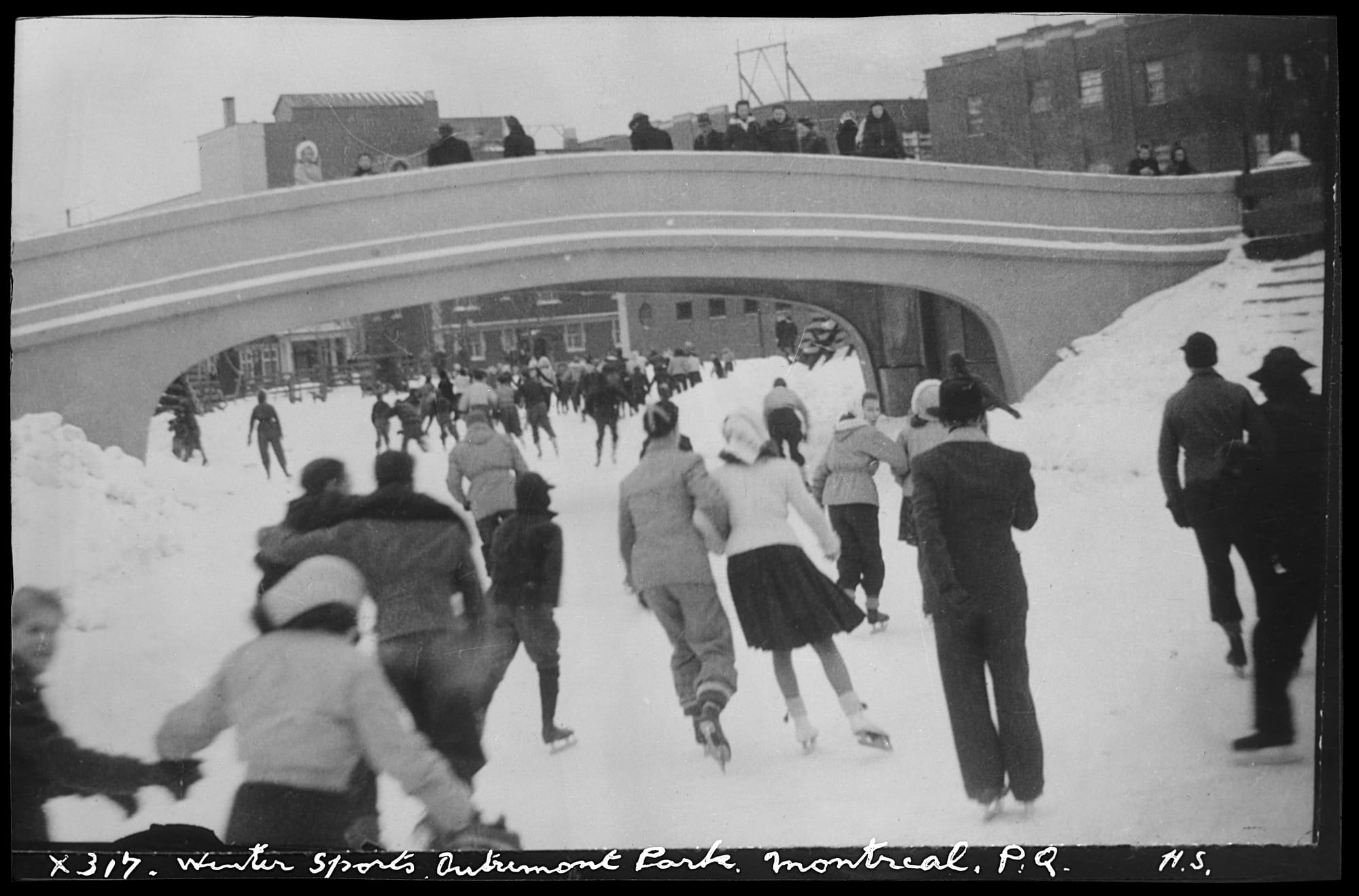
Find more Montreal winters throughout history by exploring the McCord Stewart Museum and its collections of photography, home to over 2.1 million images—from daguerreotypes of the 1840s to contemporary works—that document the social history of Montreal, Quebec, and Canada.


![The Bulletin: What do you do during a night that never ends? 🌝 [Issue #118]](/_next/image?url=https%3A%2F%2Fstorage.ghost.io%2Fc%2F00%2Fe5%2F00e5bf23-2b72-4a48-92bb-496245b79d2a%2Fcontent%2Fimages%2F2025%2F02%2FProductionsnovak-Foule-003-2.jpg&w=256&q=75)


Comments
Welcome to The Main's comments section!
Share your thoughts and join the conversation. Please be respectful and constructive.
No comments yet. Be the first!