



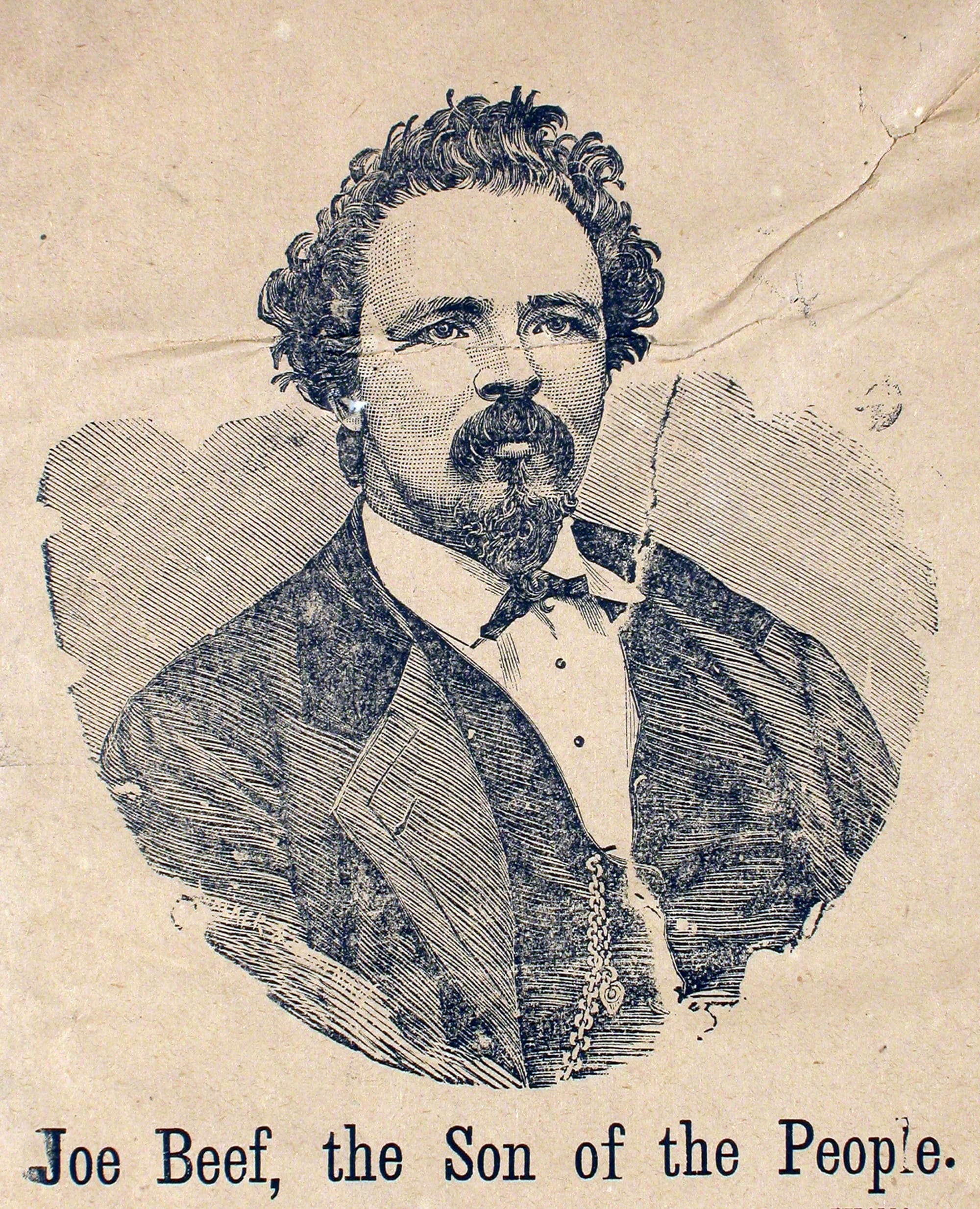
A lot of time’s passed since Montreal’s industrial boom in the 19th century, so let’s paint a picture.
Think cobblestone streets lined with brick warehouses full of an economic expansion’s grinding gears. Shipyard tools sharply clang and echo off a harbour and a steady stream of workers haul goods along the Lachine Canal. Griffintown, then the city’s working-class heart, is full of factories that belch smoke into the air and labourers are packed into tight, damp quarters. This was a city split in two—grandeur above, grit below.
While the affluent enjoyed sprawling parks and grand cathedrals, the working poor found their reprieve in dimly lit taverns and makeshift gathering spots. In this starkly divided urban landscape, places like Joe Beef’s Canteen offered an escape—where overlooked folks could eat, drink, and be seen, if not respected.
Keep reading “The story of Montreal’s Joe Beef (the man, not the restaurant)”
The Main is Montreal's city magazine. We write the stories about this city nobody else is telling.
We're independent and reader-supported. Your support keeps us going.
Your email costs you nothing and opens the rest of this story now. It also means the next one reaches you on a Thursday, instead of disappearing into a feed.
No password. No payment. Opens instantly.
Already a member? Sign in
![The Bulletin: A Valentine's weekend, but make it R&B, goth, literary, and lyrical [Issue #116]](/_next/image?url=https%3A%2F%2Fstorage.ghost.io%2Fc%2F00%2Fe5%2F00e5bf23-2b72-4a48-92bb-496245b79d2a%2Fcontent%2Fimages%2F2025%2F02%2Fvibebenders_1734035136_3521664431751007460_24191185675-1.jpg&w=256&q=75)


Comments
Welcome to The Main's comments section!
Share your thoughts and join the conversation. Please be respectful and constructive.
No comments yet. Be the first!