




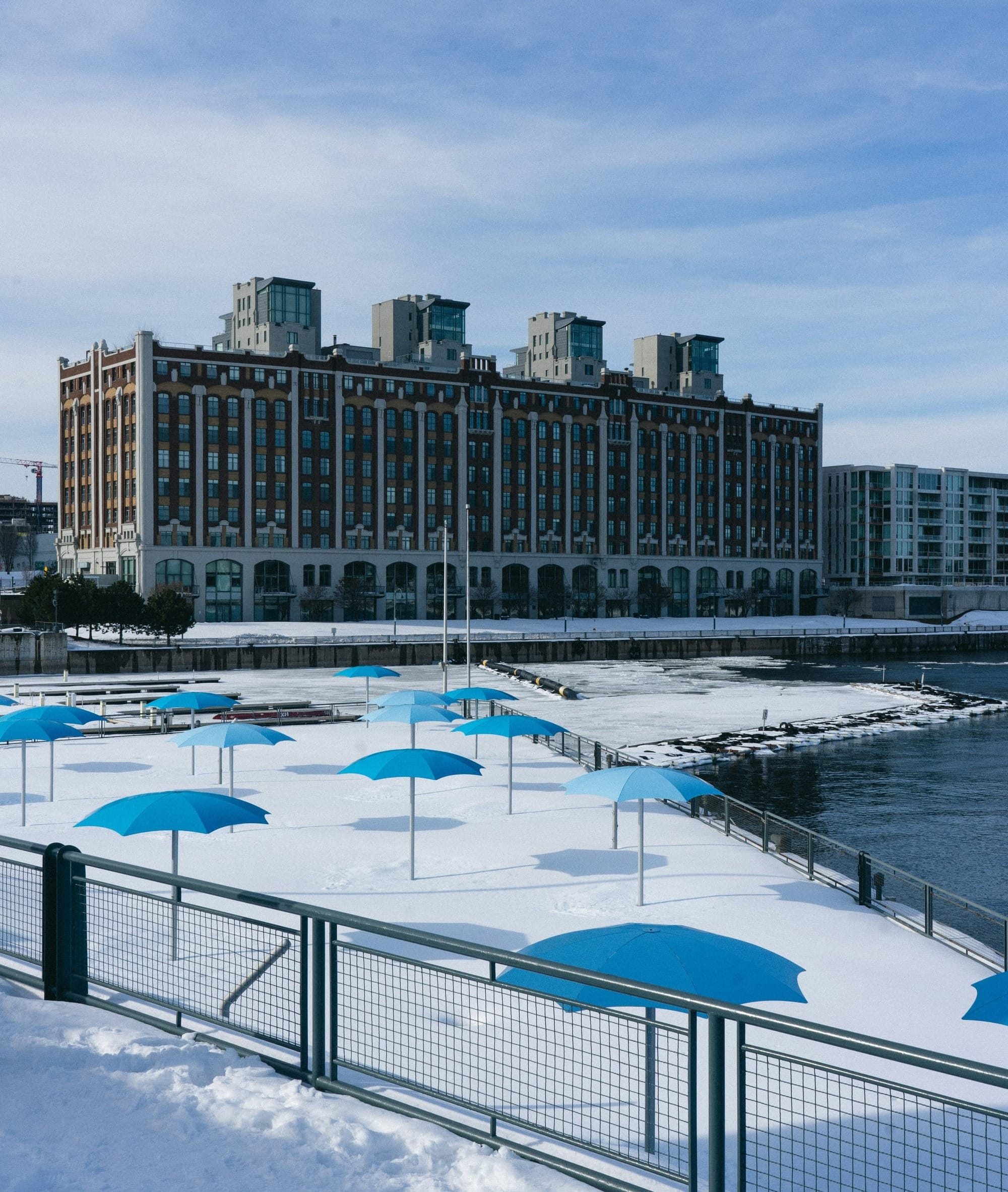
Montreal likes to talk about how good it is at public life, and it’s not wrong: Come summer, whole streets become terrasses. Festivals double as civic rituals. Ordinary corners turn into invitations to dwell. Montreal is often treated as a reference point, and other cities come here to study how public space can feel social, generous, and alive. But while this reputation is an asset, it’s also a risk.
When a city becomes a benchmark, it can start to rely on its own mythology. The dangers lie in complacency and the quiet creep of stagnation. While Montreal celebrates what it already does well, placemaking elsewhere continues to evolve, not through grand gestures, but through quieter shifts in how everyday spaces are designed, programmed, and cared for.
Poursuivez « Montreal’s public spaces are good, but are they good enough? »
Aucun mot de passe. Aucun paiement. Ouverture immédiate.
Déjà membre? Se connecter
![The Bulletin: A bookstore revived, a nightclub's last dance, and Pink Floyd under the stars [Issue #166]](https://storage.ghost.io/c/00/e5/00e5bf23-2b72-4a48-92bb-496245b79d2a/content/images/2026/01/ezgif.com-optimize-1.gif)


Commentaires
Welcome to The Main's comments section!
Share your thoughts and join the conversation. Please be respectful and constructive.
Aucun commentaire pour le moment. Soyez le premier !